


Real Time Pain Reliever

 Neuropathy: What Is Neuropathy? How to Spot the Signs, Understand the Causes, Get Treatment, Build a Good Diet for Management, Start Exercising, and More
There are four types: autonomic, peripheral, proximal, and focal neuropathy. Each affects a different set of nerves and has a different range of effects. Autonomic neuropathy harms automatic processes in the body, such as digestion. Peripheral neuropathy damages nerves in the toes, fingers, hands, and feet.
Neuropathy, or nerve damage, can result from a wide range of conditions such as diabetes and even treatments like chemotherapy.
In fact, neuropathy, which is sometimes referred to as peripheral neuropathy, is not a single health condition but rather a term used to describe a range of health problems involving damage to the peripheral nerves, as well as the symptoms of those issues.
While the group of conditions is irreversible, you can take steps to help prevent neuropathy or manage it through diet, lifestyle, and treatment.
What Are the Symptoms of Neuropathy?
Symptoms of neuropathy ultimately depend on the underlying cause and the individual, but they can include temporary or permanent numbness; a tingling, prickling, or burning sensation; increased sensitivity to touch; pain; muscle weakness or wasting; paralysis; dysfunction in organs or glands; and impairment to urination and sexual function.
To understand how neuropathy acts in the body, it’s important to know that the nervous system is divided into two parts: the central nervous system — the brain and spinal cord — and the peripheral nervous system, which transmits messages between the central nervous system and the rest of your body.
In turn, the peripheral nervous system is divided into a voluntary — or somatic — nervous system controlling all of the functions we are aware of and can consciously control, such as moving limbs, and an involuntary — or autonomic — nervous system regulating processes we can’t consciously direct, such as heartbeat, breathing, and digestion.
Damage or disruption to both voluntary and involuntary peripheral nerves can be involved in neuropathy. Sensory and motor nerves can be affected. (1)
What Are the Causes of Neuropathy, and How Prevalent Is the Condition?
An estimated 20 million Americans have some form of neuropathy, and the associated risk factors vary from diabetes and chemotherapy to autoimmune conditions. (4)
What Are the Risk Factors or Conditions Associated With Neuropathy?
Within that population, the most common type of neuropathy is diabetic peripheral neuropathy, which affects people managing diabetes with poorly controlled blood sugar and accounts for about 60 percent of the total people with neuropathy. (5)
The second-largest group of neuropathy sufferers are those for which no cause has been identified — 23 percent — and therefore their condition is known as idiopathic peripheral neuropathy. (6)
Chemotherapy-induced peripheral neuropathy afflicts 10 percent of Americans with neuropathy. (7)
More on How Neuropathy Can Affect Your Health
HIV/AIDS is related to 2 percent of total neuropathy cases, which can be due to the effects of the human immunodeficiency virus or the drugs used to treat it. (8)
Other types of neuropathy make up the remaining 5 percent of cases, such as those caused by other metabolic disorders such as hypoglycemia or kidney failure; autoimmune disorders such as celiac disease, rheumatoid arthritis, lupus, sarcoidosis, Sjögren’s syndrome, and Guillain-Barré syndrome; infectious diseases; physical trauma; compression; repetitive stress; toxicity; hereditary disorders such as Charcot-Marie-Tooth disease; hormonal disorders; alcoholism; and nutrient
What Causes Neuropathy Exactly?
The nerve damage behind neuropathy can happen in a variety of ways, affecting the nerve axons (along which impulses are conducted to other cells), myelin sheath (which covers and protects the axon), or a combination of both. Doing an electrodiagnostic study can help your doctor determine which kind of damage is involved. (3)
The prevalence of neuropathy in the general population is 2.4 percent. But prevalence increases with age due to an attending increase in chronic disease. Eight percent of people ages 55 and over suffer from polyneuropathy, according to a frequently cited 1997 study in the Journal of Neurology, Neurosurgery and Psychiatry. (12,13)
What Is Polyneuropathy, and What Are the Other Types of Neuropathy?
When neuropathy involves damage to only one nerve, it is called mononeuropathy. But most often, multiple nerves are affected, and when this happens, doctors refer to the nerve damage as polyneuropathy.
The symptoms of polyneuropathy depend on whether autonomic, sensory, or motor nerves — or a combination of them — are involved. Autonomic nerve damage can affect bodily functions or blood pressure and even create gastrointestinal symptoms. Damage to sensory nerves can affect sensations and sense of balance, while damage to motor nerves can affect movement and reflexes. When both sensory and motor nerves are involved, the condition is known as sensorimotor polyneuropathy, in which damage happens body-wide to nerve cells, fibers (axons), and coverings (myelin sheaths). (14)
More on Neuropathy Symptoms
Distal symmetric polyneuropathy is a common type of polyneuropathy and the one most prevalent among people with diabetes. In this form of polyneuropathy, the first nerve fibers to malfunction are those most distant from the central nervous system, with symptoms such as pain and numbness felt symmetrically in the feet, then traveling up the legs as the condition progresses. The upper extremities may also become involved eventually. (15)
What Is Neuropathic Pain, and What Are Its Symptoms and Causes?
Neuropathic pain can develop when the nerves of the somatic nervous system become damaged and transmit sensory signals to the central nervous system in an altered and disordered fashion. It is estimated to affect 7 to 10 percent of the general population worldwide. (16,17)
Common conditions associated with peripheral neuropathic pain include postherpetic neuralgia (a complication of herpes zoster, also known as shingles), trigeminal neuralgia (pain from a nerve carrying signals from the face to the brain), diabetic neuropathy, HIV-associated peripheral sensory neuropathy, leprosy, and peripheral nerve injury pain. (18,19,15,20,21)
What to know about diabetic neuropathy
Diabetic neuropathy is a complication of diabetes that results in damage to the nervous system. It is a progressive disease, and symptoms get worse over time.
Neuropathy happens when high levels of fats or sugar in the blood damage the nerves in the body. It can affect virtually any nerve in the body, with a wide range of symptoms.
Nerves are essential to how the body works. They enable people to move, send messages about how things feel, and control automatic functions, such as breathing.
There are several types. Some involve the peripheral nerves, while others damage the nerves that supply the internal organs, such as the heart, the bladder, and the gut. In this way, it can affect many body functions.
Between one-third and a half of people with diabetes have neuropathy, according to the National Institute of Diabetes and Digestive and Kidney Diseases (NIDDK).
In this article, we explore the different types, effects, and risks of diabetic neuropathy.
Types
Four main types of neuropathy can impact on the nervous system, including:
Peripheral symmetric neuropathy: This affects the feet and hands. It is the most common form of diabetic neuropathy.
Autonomic neuropathy: This occurs in the nerves that control involuntary functions of the body, such as digestion, urination, or heart rate.
Thoracic and lumbar root, or proximal, neuropathy: This damages nerves along a specific distribution in the body, such as the chest wall or legs.
Mononeuropathies: These can affect any individual nerve.
The symptoms of neuropathy depend on the type and the nerves involved.
Symptoms
The signs and symptoms of diabetic neuropathy usually take several years to appear. Signs and symptoms will depend on which type of neuropathy and nerves it affects.
Peripheral neuropathy
The symptoms of peripheral neuropathy include:
numbness, pain, tingling, and burning sensations starting in the toes and fingers then continuing up the legs or arms
loss of muscle tone in the hands and feet
not being able to feel heat, cold, or physical injury
loss of balance
Charcot’s joint, in which a joint breaks down because of nerve issues, often in the feet
Peripheral neuropathy that affects the feet can make it difficult for a person to stand and walk. It can increase the risk of falling.
When a person cannot feel heat, cold or injury, this can lead to new problems.
For example, a blister on the foot can become ulcerated because the person did not feel pain in the early stages. As the infection progresses, gangrene can develop.
Eventually, amputation may be necessary.
Autonomic neuropathy
The effects of autonomic neuropathy include:
heartburn and bloating
nausea, constipation or diarrhea
hypoglycemic unawareness, in which a person does not feel the effects of low sugar levels
difficulties speaking or swallowing
feeling full after eating small amounts of food
vomiting several hours after eating
orthostatic hypotension, or feeling light-headed and dizzy when standing up
a faster heart rate than normal
excessive sweating, even in cool temperatures or while at rest
bladder problems, for example, difficulty emptying the bladder completely when urinating, leading to incontinence
sexual dysfunction in men and women
dysesthesia, or a distorted sense of touch
significant drooping of the face and eyelids
muscle contractions and weakness
Other types
There are many types of neuropathy.
Proximal neuropathy can lead to pain in the lower body, often on one side, and weakness in the legs.
Symptoms of focal neuropathy can vary widely, depending on the nerve affected. Focal neuropathy and cranial neuropathy can both lead to visual disturbances, such as double vision.
People with diabetic neuropathy often do not realize they have it until the symptoms are more advanced.
A physician will carry out a physical exam and foot exam to check for:
ankle reflexes
loss of sensation
changes in skin texture
changes in skin color
Other tests may include a check of blood pressure and fluctuations in heart rate.
If the doctor suspects diabetic neuropathy, they may run some diagnostic tests, such as:
an electromyogram (EMG), which records electrical activity in the muscles
a nerve conduction velocity test (NCV) which records the speed at which induced signals pass through the nerves
Treatment
Most types of diabetic neuropathy gets worse over time.
The first step for people with any type is to bring blood sugars within a target range agreed with a doctor and manage high blood pressureand cholesterol
Managing glucose levels will minimize the risk of diabetic neuropathy. A key part of treatment focuses on reducing pain and managing some of the symptoms.
Certain medicationsand types of physical therapy can help to control the pain of diabetic neuropathy, alongside other treatments. However, they cannot repair the nerves.
People should also avoid or stop smoking and limit their alcohol intake to a maximum of o
Treatment
Most types of diabetic neuropathy gets worse over time.
The first step for people with any type is to bring blood sugars within a target range agreed with a doctor and manage high blood pressure and cholesterol levels.
Managing glucose levels will minimize the risk of diabetic neuropathy. A key part of treatment focuses on reducing pain and managing some of the symptoms.
Certain medications and types of physical therapy can help to control the pain of diabetic neuropathy, alongside other treatments. However, they cannot repair the nerves.
People should also avoid or stop smoking and limit their alcohol intake to a maximum of one drink a day for women and two for men.
Medications
Drugs that can help to manage pain include:
anticonvulsant drugs
tricyclic antidepressants
opioids and nonopioid pain relief medication
Opioid use can lead to dependency, so doctors should prescribe as low a dose as possible.
A person with diabetic neuropathy might use other types of antidepressants, such as serotonin-norepinephrine inhibitors, to target other painful symptoms of diabetic neuropathy.
Topical lotions, compound creams, and some supplements, such as ALA or topical capsaicin, may also provide relief.
Physical therapy
Physical therapy, used in combination with medications, might help relieve pain and reduce the risk of dependency on opioids.
It may also help alleviate:
burning and tingling sensations in the legs and feet
muscle cramps
muscle weakness
sexual dysfunction
Electrical nerve stimulation is a painless type of physical therapy that might help to reduce feelings of stiffness and enhance the healing of foot ulcers.
Gait training involves relearning how to walk. It helps to prevent and stabilize foot complications, such as ulcers and injury. This type of physical re-education is crucial for people using prosthesis after losing limbs if diabetic neuropathy leads to an amputation.
A good physical therapist will ensure that exercises for people with diabetic neuropathy do not hurt the feet, which can be sensitive.
Other therapies include devices that a person can use to keep painful or sensitive extremities from touching the bed or chair.
A chiropractor, massage therapist, or osteopath can carry out regular massages or manual therapy to stretch the muscles. Massage can inhibit muscle contractions, spasms, and atrophy due to poor blood supply.
Specific exercises, such as swimming or aerobics, can help an individual develop and maintain muscle strength and reduce the loss of muscle mass.
Therapeutic ultrasound is another type of physical therapy that uses very high-frequency sound waves to stimulate the tissue beneath the skin. This can help some people to regain sensitivity in their feet.
Complications
Diabetic neuropathy can contribute to a number of high-risk complications, ranging from heart rate changes to visual disturbances.
Possible complications include losing sensation in the feet.
This can lead to an inability to feel cuts or sores, and infection might occur as a result. Untreated infection in a limb can result in the need for amputation.
Severe bladder and kidney infections might also occur, causing health problems.
To prevent the complications of diabetic peripheral neuropathy, good foot care is essential.
People with the condition should inspect their feet every day for injuries or sores.
Smoking also increases the risk of foot problems in people with certain types of diabetic neuropathy. A podiatrist can help with foot care, and a healthcare provider can give advice on quitting smoking.
Takeaway
Diabetic neuropathy is a type of nerve damage that occurs in people who have diabetes.
There are four types: autonomic, peripheral, proximal, and focal neuropathy.
Each affects a different set of nerves and has a different range of effects. Autonomic neuropathy harms automatic processes in the body, such as digestion. Peripheral neuropathy damages nerves in the toes, fingers, hands, and feet.
Diagnosis includes a range of scans, and tests for ankle reflexes, sensation, and skin texture and tone.
Treatment involves several types of physical therapy and medication to control pain and nerve conduction.
As people with diabetic neuropathy tend not to feel injuries on the feet, regular inspection of the feet is necessary to avoid undetected infection and the possible loss of limbs.
Q:
I have type 2 diabetes. How do I prevent diabetic neuropathy?
A:
The best way to minimize diabetic neuropathy is by maintaining good blood sugar control and regular foot care. If you take Metformin for a long time, which is a commonly used medication in the treatment of type 2 diabetes, consider having a Vitamin B12 level checked as well, as Metformin can lower the B12 level which can also cause neuropathy.
Maria Prelipcean, MDAnswers represent the opinions of our medical experts. All content is strictly informational and should not be considered medical advice.
Diabetes
Type 1
Type 2
Neurology / Neuroscience
Understanding Peripheral Neuropathy — the Basics
What Is Peripheral Neuropathy?
The name of the condition tells you a bit about what it is:
Peripheral: Beyond (in this case, beyond the brain and the spinal cord.)
Neuro-: Related to the nerves
-pathy: Disease
Peripheral neuropathy refers to the conditions that result when nerves that carry messages to and from the brain and spinal cord from and to the rest of the body are damaged or diseased.
The peripheral nerves make up an intricate network that connects the brain and spinal cord to the muscles, skin, and internal organs. Peripheral nerves come out of the spinal cord and are arranged along lines in the body called dermatomes. Typically, damage to a nerve will affect one or more dermatomes, which can be tracked to specific areas of the body. Damage to these nerves interrupts communication between the brain and other parts of the body and can impair muscle movement, prevent normal sensation in the arms and legs, and cause pain.
Types of Peripheral Neuropathy
There are several different kinds of peripheral neuropathies that stem from a variety of causes. They range from carpal tunnel syndrome (a traumatic injury common after chronic repetitive use of the hands and wrists, such as with computer use) to nerve damage linked to diabetes.
As a group, peripheral neuropathies are common, especially among people over the age of 55. All together, the conditions affect 3% to 4% of people in this group.
Neuropathies are typically classified according to the problems they cause or what is at the root of the damage. There also are terms that express how extensively the nerves have been damaged.
Mononeuropathy
Damage to a single peripheral nerve is called mononeuropathy. Physical injury or trauma such as from an accident is the most common cause. Prolonged pressure on a nerve, caused by extended periods of being sedentary (such as sitting in a wheelchair or lying in bed), or continuous, repetitive motions, can trigger a mononeuropathy.
Carpal tunnel syndrome is a common type of mononeuropathy. It is called an overuse strain injury, which occurs when the nerve that travels through the wrist is compressed. People whose work requires repeated motions with the wrist (such as assembly-line workers, physical laborers, and those who use computer keyboards for prolonged periods) are at greater risk.
The damage to the nerve can result in numbness, tingling, unusual sensations, and pain in the first three fingers on the thumb side of the hand. The person may awaken at night with numbness in their hand or discover that when they perform activities like using a hair dryer, the numbness is more noticeable. In time, carpal tunnel injuries can weaken the muscles in the hand. You may also feel pain, tingling, or burning in your arm and shoulder.
Here are examples of other mononeuropathies that can cause weakness in the affected parts of the body, such as hands and feet:
Ulnar nerve palsy occurs when the nerve that passes close to the surface of the skin at the elbow is damaged. The numbness is noted in the 4th and 5th digit of the hand.
Radial nerve palsy is caused by injury to the nerve that runs along the underside of the upper arm and can occur with fractures of the humerus bone in the upper part of the arm.
Peroneal nerve palsy results when the nerve at the top of the calf on the outside of the knee is compressed. This leads to a condition called “foot drop,” in which it becomes difficult to lift the foot.
CONTINUE READING BELOW
Neuropathy can affect nerves that control muscle movement (motor nerves) and those that detect sensations such as coldness or pain (sensory nerves). In some cases, it can affect internal organs, such as the heart, blood vessels, bladder, or intestines. Neuropathy that affects internal organs is called an autonomic neuropathy. This rare condition can cause low blood pressure or problems with sweating.
Polyneuropathy
Polyneuropathy accounts for the greatest number of peripheral neuropathy cases. It occurs when multiple peripheral nerves throughout the body malfunction at the same time. Polyneuropathy can have a wide variety of causes, including exposure to certain toxins such as with alcohol abuse, poor nutrition (particularly vitamin B deficiency), and complications from diseases such as cancer or kidney failure.
One of the most common forms of chronic polyneuropathy is diabetic neuropathy, a condition that occurs in people with diabetes. It is more severe in people with poorly controlled blood sugar levels. Though less common, diabetes can also cause a mononeuropathy.
Non-prescription Treatments for Nerve Pain
Whatever the cause, nerve pain can be a serious and debilitating condition. People who have it often need help from a doctor and prescription treatments.
There are also some non-prescription treatments for neuropathic pain that may help relieve your symptoms. You might use some of these approaches along with your prescribed treatment. If your nerve pain is mild, they may be enough on their own to manage your nerve pain. Here’s a rundown of your options.
Over-the-Counter Treatments for Nerve Pain
Topical painkillers. Many over-the-counter creams and ointments are sold to relieve nerve pain. They include ingredients that work as a local anaesthetic, numbing the pain in the area where you apply them. Some contain capsaicin, a painkiller derived from chili peppers. Others use different natural ingredients, like botanical oils. One advantage of topical treatments is that you can apply them precisely where you need relief.
Painkilling medicines. Some people with neuropathic pain turn to familiar over-the-counter painkillers like acetaminophen, aspirin, and ibuprofen. While these drugs might help with mild or occasional pain, they’re often not strong enough for serious nerve pain. There’s also a risk that someone with chronic pain might begin to rely on these medicines too much. So, always make sure to follow the directions on the bottle. Most painkillers should never be taken for more than 10 days. If you are still in pain and want to take them for longer than that, you need to talk with your doctor — it may be a sign that you need a different treatment.
Supplements and vitamins. In some cases, nerve pain can be worsened — or even caused — by a deficiency of vitamin B12. If your doctor decides you need it, he or she might recommend injections of vitamin B12 or supplements.
Other supplements are sometimes used as treatments for nerve pain. There’s some preliminary evidence that a few of them — like acetyl-L-carnitine, alpha-lipoic acid, and gamma linolenic acid — might help with nerve pain caused by diabetes. However, the evidence isn’t clear; more research needs to be done. Always check with a doctor before you start taking a supplement regularly.
How Is Peripheral Neuropathy Diagnosed?
If your doctor suspects you may have a form of peripheral neuropathy, he or she may refer you to a neurologist, a doctor who specializes in diseases of the nerves. The neurologist (or your own doctor) will begin by taking a history of your symptoms and examining you for signs of muscle weakness, numbness, and impaired reflexes. You may need blood and urine tests to check for diabetes, vitamin or metabolic deficiencies and the presence of any underlying disease or genetic defect that may be affecting nerve function. You’ll also need to take a serious look at your alcohol intake and what medications you are taking.
You may also be given an electromyogram (EMG) and nerve conduction velocity (NCV) tests, which is used to assess nerve and muscle function and measure the electrical properties of the nerves. Using these tests, doctors can often pinpoint the abnormal nerves and determine which part of their structure is damaged.
Nerve and muscle biopsies may also be performed and may provide valuable information about the type and cause of the neuropathy. A spinal tap, or lumbar puncture, is sometimes recommended to help identify infection or inflammation that might be associated with the neuropathy.
If anyone in your family has been diagnosed with peripheral neuropathy or has had similar symptoms, your doctor may want to review their medical records or examine them to look for potential hereditary links to your condition.
What Are the Treatments for Peripheral Neuropathy?
Effective prognosis and treatment of peripheral neuropathy relies heavily on the cause of the nerve damage. For example, a peripheral neuropathy caused by a vitamin deficiency can be treated — even reversed — with vitamin therapy and an improved diet. Likewise, nerve damage brought on by alcohol abuse can often be stopped and improved by avoiding alcohol. Peripheral neuropathy caused by toxic substances or medications can often be corrected in much the same way. When neuropathy is related to diabetes, careful monitoring of blood sugar levels may slow its progression and curb symptoms.
Early diagnosis and treatment of peripheral neuropathy is important, because the peripheral nerves have a limited capacity to regenerate, and treatment may only stop the progression — not reverse damage. If you have become severely impaired, you may need physical therapy to help retain strength and avoid muscle cramping and spasms.
Surgical treatment may be recommended for people with nerve damage from injury or nerve compression. Mobility aids, such as a cane, walker, or wheelchair, may be helpful. For pain, your doctor may prescribe pain medication.
What are the causes of peripheral neuropathy?
Generalized diseases. Nerve damage causedby diabetes is one of the most common forms of neuropathy. …
Physical trauma is the most common causeof injury to the nerves. …
Alcohol and toxins. …
Infections and autoimmune disorders. …
Everything You Want to Know About Rheumatoid Arthritis.
What’s rheumatoid arthritis?
 Rheumatoid arthritis (RA) is an autoimmune disease that can cause joint pain and damage throughout your body.
The joint damage that RA causes usually happens on both sides of the body.
So, if a joint is affected in one of your arms or legs, the same joint in the other arm or leg will probably be affected, too. This is one way that doctors distinguish RA from other forms of arthritis, such as osteoarthritis (OA).
Treatments work best when RA is diagnosed early, so it’s important to learn the signs. Read on to learn everything you want to know about RA, from types and symptoms to home remedies, diets, and other treatments.
Rheumatoid arthritis symptoms
RA is a chronic disease marked by symptoms of inflammation and pain in the joints. These symptoms and signs occur during periods known as flares or exacerbations. Other times are known as periods of remission — this is when symptoms disappear completely.
While RA symptoms can affect several organs in the body, the joint symptoms of RA include:
- joint pain
- joint swelling
- joint stiffness
- loss of joint function and deformities
Symptoms can vary from mild to severe. It’s important not to ignore your symptoms, even if they come and go. Knowing the early signs of RA will help you and your healthcare provider better treat and manage it.
Rheumatoid arthritis diagnosis
Diagnosing RA can take time and may require multiple lab tests to confirm clinical examination findings. Your healthcare provider will use several tools to diagnose RA.
First, they’ll ask about your symptoms and medical history. They’ll also perform a physical exam of your joints. This will include:
- looking for swelling and redness
- examining joint function and range of motion
- touching the affected joints to check for warmth and tenderness
- testing your reflexes and muscle strength
If they suspect RA, they’ll most likely refer you to a specialist called a rheumatologist.
Since no single test can confirm a diagnosis of RA, your healthcare provider or rheumatologist may use several different types of tests.
They may test your blood for certain substances like antibodies, or check the level of certain substances like acute phase reactantsTrusted Source that are elevated during inflammatory conditions. These can be a sign of RA and help support the diagnosis.
They may also request certain imaging tests, such as an ultrasound, X-ray, or MRI.
Tests not only show if joint damage has occurred but also how severe the damage is.
A complete evaluation and monitoring of other organ systems might be recommended for some people with RA, too.
Learn more about the process of diagnosing RA.
Blood tests for rheumatoid arthritis
There are several types of blood tests that help your healthcare provider or rheumatologist determine whether you have RA. These tests include:
- Rheumatoid factor test. The RF blood test checks for a protein called rheumatoid factor. High levels of rheumatoid factor are associated with autoimmune diseases, especially RA.
- Anticitrullinated protein antibody test (anti-CCP). This test looks for an antibody that’s associated with RA. People who have this antibody usually have the disease. However, not everyone with RA tests positive for this antibody. The anti-CCP Ab is more specific for RA than the RF test
- Antinuclear antibody test. The antinuclear antibody panel tests your immune system to see if it’s producing antibodies. Your body may make antibodies as a response to many different types of conditions, including RA.
- Erythrocyte sedimentation rate. The ESR test helps determine the degree of inflammation in your body. The result tells your doctor whether inflammation is present. However, it doesn’t indicate the cause of the inflammation.
- C-reactive protein test. A severe infection or significant inflammation anywhere in your body can trigger your liver to make C-reactive protein. High levels of this inflammatory marker are associated with RA.
Find out more about the different RA blood tests.
Rheumatoid arthritis treatment
There’s no cure for RA, but there are treatments that can help you manage it.
Rheumatoid arthritis (RA) can keep both patients and physicians on their toes as they figure out the best ways to treat the symptoms and slow the progression of the condition.
Recently, advances in treatment strategies have resulted in ever-improving outcomes and quality of life for those with rheumatoid arthritis. Treat to Target Rheumatoid Arthritis is a treatment philosophy that rheumatologists use to effectively manage this disease.
The treat-to-target approach has resulted in fewer symptoms and higher remission rates for those with RA. The treatment strategy involves:
- setting a specific testing goal that signals either remission or low disease state
- testing acute phase reactants and performing monthly monitoring to assess progress of treatment and management plan
- Switching medication regimen promptly if progress isn’t made.
Treatments for RA help to manage the pain and control the inflammatory response which can in many cases result in remission. Decreasing the inflammation can also help to prevent further joint and organ damage.
Treatments may include:
- medications
- alternative or home remedies
- dietary changes
- specific types of exercise
Your healthcare provider will work with you to determine the best treatment plan for your medical needs.
For many people, these treatments help them live an active life and reduce the risk of long-term complications.
Learn more about specific RA treatments and how to treat flares.
Rheumatoid arthritis medications
There are many types of medication for RA. Some of these medications help to reduce the pain and inflammation of RA. Some help to reduce flares and limit the damage that RA does to your joints.
The following over-the-counter medications help reduce the pain and inflammation during RA flares:
- nonsteroidal anti-inflammatory drugs (NSAIDs)
- corticosteroids
- acetaminophen
The following drugs work to slow the damage that RA can cause to your body:
- Disease-modifying antirheumatic drugs (DMARDs). DMARDs work by blocking your body’s immune system response. This helps to slow down the progression of RA.
- Biologics. These new generation biologic DMARDs provide a targetedresponse to inflammation rather than blocking your body’s entire immune system response. They may be an effective treatment for people who don’t respond to more traditional DMARDs.
- Janus kinase (JAK) inhibitors. These are a new subcategory of DMARDs that block certain immune responses. These are drugs that your healthcare provider may use to help prevent inflammation and stop damage to your joints when DMARDs and biologic DMARDs don’t work for you.
Home remedies for rheumatoid arthritis
Certain home remedies and lifestyle adjustments may help to improve your quality of life when living with RA. This includes exercise, rest, and assistive devices.
Exercise
Low-impact exercises can help to improve the range of motion in your joints and increase your mobility. Exercise can also strengthen muscles, which can help to relieve some of the pressure from your joints.
You may also want to try gentle yoga which can help you regain strength and flexibility.
Get enough rest
You may need more rest during flare-ups and less during remission. Getting enough sleep will help to reduce inflammation and pain as well as fatigue.
Apply heat or cold
Ice packs or cold compresses can help to reduce inflammation and pain. They may also be effective against muscle spasms.
You can alternate cold with hot treatments such as warm showers and hot compresses. This may help to reduce stiffness.
Try assistive devices
Certain devices such as splints and braces can hold your joints in a resting position. This may help to reduce inflammation.
Canes and crutches can help you maintain mobility, even during flares. You can also install household devices, such as grab bars and handrails in bathrooms and along staircases.
Shop home remedies
Rheumatoid arthritis diet
Your healthcare provider or dietitian may recommend an anti-inflammatory diet to help with your symptoms. This type of diet includes foods that have lots of omega-3 fatty acids.
Foods high in omega-3 fatty acids include:
- fatty fish like salmon, tuna, herring, and mackerel
- chia seeds
- flax seeds
- walnuts
Antioxidants, such as vitamins A, C, and E, and selenium, may also help reduce inflammation. Foods high in antioxidants include:
- berries, such as blueberries, cranberries, goji berries, and strawberries
- dark chocolate
- spinach
- kidney beans
- pecans
- artichokes
Eating lots of fiber is also important. According to some researchers, fiber may help reduce inflammatory responses which may decrease C-reactive protein levels. Choose whole grain foods, fresh vegetables, and fresh fruit. Strawberries may be particularly beneficial.
Foods containing flavonoids can also help to counter inflammation in the body. They include:
- soy products, such as tofu and miso
- berries
- green tea
- broccoli
- grapes
What you don’t eat is just as important as what you do eat. Make sure to avoid trigger foods. These include processed carbohydrates and saturated or trans fats.
Avoiding trigger foods and choosing the right foods in trying to follow an anti-inflammatory diet may help you manage your RA.
Types of rheumatoid arthritis
There are several different types of RA. Knowing which type you have may help your healthcare provider provide the best type of treatment for you.
Types of RA include:
- Seropositive RA. If you have seropositive RA, you have a positive rheumatoid factor blood test result. This means you have the antibodies that cause your immune system to attack joints.
- Seronegative RA. If you have a negative RF blood test result and a negative anti-CCP result, but you still have RA symptoms, you may have seronegative RA. You may eventually develop antibodies, changing your diagnosis to seropositive RA.
- Juvenile idiopathic arthritis (JIA). Juvenile idiopathic arthritis refers to RA in children ages 17 years old and younger. The condition was previously known as juvenile rheumatoid arthritis (JRA). The symptoms are the same as those of other types of RA, but they may also include eye inflammation and issues with physical development.
Seropositive rheumatoid arthritis
Seropositive RA is the most common type of RA. This type of arthritis may run in families. Seropositive RA may come with more severe symptoms than seronegative RA.
Presenting symptoms of seropositive RA can include:
- morning stiffness lasting 30 minutes or longer
- swelling and pain in multiple joints
- swelling and pain in symmetrical joints
- rheumatoid nodules
- fever
- fatigue
- weight loss
RA isn’t always confined to the joints. Some people with seropositive RA can experience inflammation in the eyes, salivary glands, nerves, kidneys, lungs, heart, skin, and blood vessels.
Rheumatoid arthritis causes
The exact cause of RA isn’t known. However, certain factors seem to play a role in increasing the risk of developing RA or triggering its onset.
Factors that may increase your risk for RA include:
- being a woman
- having a family history of RA
Factors that may trigger onset of RA involve:
- exposure to certain types of bacteria, such as those associated with periodontal disease
- having a history of viral infections, such as the Epstein-Barr virus, which causes mononucleosis
- trauma or injury, such as bone breakage or fracture, dislocation of a joint, and ligament damage
- smoking cigarettes
- having obesity
The cause may not be known but there are several risks and triggers.
Rheumatoid arthritis in the hands
Arthritis in the hands may start as a low-level burning sensation that you feel at the end of the day. Eventually, you may experience pain that isn’t necessarily from using your hands. This pain can get quite severe if you don’t treat it.
You may also feel:
- swelling
- redness
- warmth
- stiffness
If the cartilage in your joints wears away, you may notice some deformities in your hands. You may also have a grinding feeling in the joints of your hands, fingers, and large joints, if the cartilage deteriorates completely.
As the disease progresses, fluid-filled sacs or synovial cysts typically develop in the wrists, knees, elbows, ankles and around the small joints of the hands. These cysts aren’t without complications and tendon rupture can occur in some cases.
You may also develop knobby growths, called bone spurs, in the affected joints. Over time, bone spurs can make it harder for you to use your hands.
If you have RA in your hands, your healthcare provider will work with you on exercises that can help you retain movement and function.
Exercises, along with other types of treatment, can help reduce inflammation and stave off progression of the disease.
Pain
In its earliest stages, arthritis causes a dull, burning sensation in your fingers. You might experience this pain after an active day when you’ve used your hands more than usual. Pain in the early stages of arthritis may come and go.
As arthritis worsens, more cartilage wears away. Without the protective barrier to cushion your delicate joints, you may have pain even when you don’t use your hands, or when you use them very little. Pain might become so severe that it wakes you up from your sleep.
Swelling
The tissue and cartilage in your hands and fingers is designed to protect your delicate joints. If a joint is under excessive stress or is damaged, the tissues that line the joint may swell.
This swelling may make your fingers and hands appear puffier than usual.
Stiffness
Arthritis in a joint causes joint stiffness. When the tissue and cartilage is swollen, a joint cannot move as freely.
Joint stiffness is especially common in the morning when you haven’t used the joint in several hours. It also occurs after a long day of movement or work when the joints have been under more stress than usual.
Joint deformity
The cartilage in your joints can wear away unevenly. Additionally, the tissues and ligaments designed to hold the joints in place grow weaker as arthritis progresses. These two developments can cause deformities in your fingers and hands.
As the condition worsens, the deformity will be more obvious.
Grinding in joints
A layer of cartilage covers and cushions the bones in a healthy joint. In an arthritic joint, the cartilage is worn away and disappears altogether.
As this happens, you may experience a grinding or grating sensation in your joints. This is caused by bone-on-bone contact in your joint.
This will be painful, and the loss of cartilage will appear in X-rays as a loss of joint space.
Warmth
When a joint is damaged, ligaments and tissues around the joint can become inflamed. This inflammation will cause the joint to feel warm.
It may also cause redness around the joint.
Mucous cysts
Small fluid-filled sacs called mucous cysts may develop in arthritic hands. These cysts may appear like small dents or ridges on your fingers.
They’re most likely to develop at the end of the finger and may occur under the fingernail. The cysts are usually small, measuring up to 1/4 inch. They’re most common in older people. It may appear as a round “pearl” on top of the hand near the nail, at the distal
What Does Rheumatoid Arthritis Look Like?
Rheumatoid arthritis pictures
RA may be most visible in your hands and feet, particularly as the disease progresses and especially if you don’t currently have a treatment plan.
Swelling of fingers, wrists, knees, ankles, and toes are common. Damage to ligaments and swelling in the feet can cause a person with RA to have trouble walking.
If you don’t get treatment for RA, you may develop severe deformities in your hands and feet. Deformities of the hands and fingers may cause a curved, claw-like appearance.
Your toes can also take on a claw-like look, sometimes bending upward and sometimes curling under the ball of the foot.
You may also notice ulcers, bunions, and calluses on your feet.
Lumps, called rheumatoid nodules, can appear anywhere on your body where joints are inflamed. These can range in size from very small to the size of a walnut or larger, and they can occur in clusters.
This is what rheumatoid nodules and other visible signs of RA look like.
The difference between rheumatoid arthritis and osteoarthritis
Like RA, people with osteoarthritis (OA) can experience painful and stiff joints that make moving around difficult.
People with OA may have joint swelling after extended activity, but OA doesn’t cause any significant inflammatory reaction that typically results in redness of the affected joints.
Unlike RA, OA isn’t an autoimmune disease. It’s related to the natural wear and tear of the joints as you age, or it can develop as a result of trauma.
OA is most often seen in older adults. However, it can sometimes be seen in younger adults who overuse a particular joint — such as tennis players and other athletes — or those who’ve experienced a severe injury.
RA is an autoimmune disease. The joint damage from RA isn’t caused by normal wear and tear. It’s caused by your body attacking itself.
Is rheumatoid arthritis hereditary?
Rheumatoid arthritis isn’t considered a hereditary disease, yet it does appear to run in families. This may be due to environmental causes, genetic causes, or a combination of both.
If you have family members who have or have had RA, talk to your healthcare provider, especially if you have any symptoms of persistent joint pain, swelling, and stiffness unrelated to overuse or trauma.
Having a family history of RA increases your risk of getting the disease, and early diagnosis can make a big difference in how effective treatment will be.
Talk to your healthcare provider
RA is a chronic disease that doesn’t currently have a cure. That said, most people with RA don’t have constant symptoms. Instead, they have flare-ups followed by relatively symptom-free periods called remissions.
The course of the disease varies from person to person, and symptoms can range from mild to severe.
Though symptoms may stop for extended periods, joint problems caused by RA will usually get worse over time. That’s why early treatment is so important to help delay serious joint damage.
If you’re experiencing any symptoms or have concerns about RA, talk to your healthcare provider.
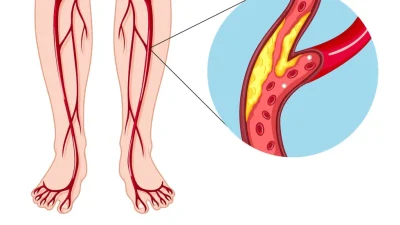 What to Know About Peripheral Arterial Disease (PAD)
Overview
Peripheral arterial disease (PAD) happens when build-up on the walls of blood vessels causes them to narrow. It commonly affects people with type 2 diabetes, who are also prone to high cholesterol and heart disease. According to the American Diabetes Association, about 1 in 3 people with diabetes over the age of 50 have PAD. Doctors most often diagnose PAD when it’s causing leg or foot problems.
Since build-up and narrowing of the arteries occur in all arteries in the body, people with PAD are at high risk of heart attack and stroke. If you suspect you have PAD, it’s important to talk to your doctor. They can help you take steps to treat your symptoms and protect your heart and blood vessels.
Symptoms of PAD
PAD affects millions of Americans, reports the National Heart, Lung, and Blood InstituteTrusted Source. However, people often don’t notice it. Many doctors and patients overlook subtle signs of the condition.Possible signs of PAD include:
- a pain in your calves when you’re walking or exercising that goes away with rest, which is called “claudication”
- numbness, tingling, or a feeling of pins and needles in your lower legs or feet
- cuts or sores on your legs or feet that don’t heal or heal slowly
Sometimes, the symptoms of PAD are so subtle that you may not suspect you have a problem. In some cases, you may dismiss mild leg pain from PAD as a sign of aging and nothing more. That’s why it’s so important to pay attention to your body and take potential symptoms of PAD seriously. Early treatment is essential to protecting your vascular system.
Causes of PAD
If you have PAD, plaque builds up on your blood vessel walls and restricts the flow of blood and oxygen to your legs and feet. Depending on its severity, this can cause pain in your lower legs when you’re walking. It can also cause numbness, tingling, and coldness while you’re at rest.
Risk factors for PAD
Diabetes greatly increases your risk of PAD. You may also be at higher risk of PAD if you:
- have a family history of heart disease
- have high blood pressure
- have high cholesterol
- have had a previous heart attack or stroke
- are overweight or obese
- are physically inactive
- are a smoker
- are over the age of 50
Talk to your doctor about your risk factors. If you’re at high risk of developing PAD, they may check you for signs of PAD. They may also recommend lifestyle changes or other measures to lower your risk of PAD.
Diagnosing PAD
Your doctor can use the ankle-brachial index to diagnose PAD, which compares the blood pressure in your arm to the blood pressure in your ankle. If the blood pressure in your ankle is lower than the pressure in your arm, you may have PAD. If your doctor can’t make a clear diagnosis of PAD by taking your blood pressure alone, they may recommend other diagnostic measures. For example, they may order magnetic resonance angiography or a Doppler ultrasound.
Treating PAD
In most cases, you can manage PAD through a combination of medication and lifestyle changes. This can reduce your symptoms and lower your chances of having a heart attack or stroke.
For example, your doctor may advise you to do the following.
- Quit smoking if you smoke.
- Eat a well-balanced diet to help manage your blood glucose levels and weight.
- Lower the cholesterol, saturated fat, and sodium in your diet to lower your blood pressure and cholesterol levels.
- Follow a moderate and supervised exercise program, in which you rest when you feel pain in your legs. Most doctors recommend walking three times per week for roughly 30 minutes per day.
- Monitor your blood pressure and take medication for it as prescribed.
- Take any other medications, such as those for diabetes or cholesterol, as prescribed.
- Take antiplatelet drugs or aspirin to thin your blood. This can help your blood flow through narrow or restricted arteries.
In serious cases of PAD, your doctor may recommend surgery. Your surgeon can use balloon angioplasty or arterial bypass to help open or reroute restricted blood vessels.
Outlook for people with PAD
If you have PAD, your chances of having a heart attack or stroke are increased. According to research reported in the Journal of the American Medical Association, PAD is “a powerful predictor of [heart attack], stroke, and death due to vascular causes.” That’s why it’s so important to diagnose and treat PAD early. Following your doctor’s prescribed treatment plan can help you lower your risk of heart attack and stroke.
Preventing PAD
If you’re at risk of PAD and you smoke, you should stop smoking immediately. Smoking narrows the blood vessels in your heart over time. This can make it more difficult for your heart to pump blood throughout your body, especially to your lower limbs.
It’s also important to:
- eat a well-balanced diet
- get regular exercise
- maintain a healthy weight
- take steps to monitor and manage your blood glucose levels, blood cholesterol levels, and blood pressure
- follow your doctor’s prescribed treatment plan for diabetes or other diagnosed health conditions
Rheumatoid Arthritis: Treatment
- Nonsteroidal anti-inflammatory drugs (NSAIDs) can relieve pain and reduce inflammation. …
- Corticosteroid medications, such as prednisone, reduce inflammation and pain and slow joint damage. …
- Disease-modifying antirheumatic drugs (DMARDs). …
- Biologic agents.
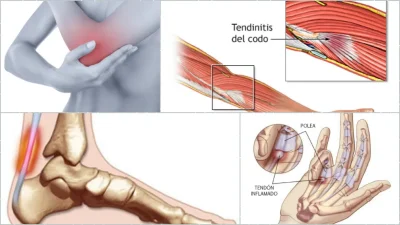 What Is Tendinitis?
Tendinitis (also called tendonitis) is an inflammation or irritation of a tendon, a thick cord that attaches bone to muscle.
What Causes Tendinitis?
Tendinitis is most often caused by repetitive, minor impact on the affected area, or from a sudden more serious injury.
There are many activities that can cause tendinitis, including:
- Gardening
- Raking
- Carpentry
- Cleaning house
- Shoveling
- Painting
- Scrubbing
- Tennis
- Golf
- Skiing
- Throwing and pitching
Incorrect posture at work or home or poor conditioning before exercise or playing sports also increases a person’s risk. Other risk factors for tendinitis include:
- An abnormal or poorly placed bone or joint (such as length differences in your legs or arthritis in a joint) that stresses soft-tissue structures.
- Stresses from other conditions, such as rheumatoid arthritis, gout, psoriatic arthritis, thyroid disorders, or unusual medication reactions.
- Overuse or doing too much too soon when the tendons aren’t used to making a movement or doing the task taken on. Tendinitis is common in “weekend warriors,” people that play and exercise hard only on weekends.
- Occasionally an infection can cause tendinitis, especially infection from a cat or dog bite to the hand or a finger.
Who Gets Tendinitis?
Anyone can get tendinitis, but it is more common in adults, especially those over age 40. As tendons age they tolerate less stress, are less elastic, and are easier to tear.
Where Does Tendinitis Occur?
Tendinitis can occur in almost any area of the body where a tendon connects a bone to a muscle. The most common places are:
- Base of the thumb
- Elbow
- Shoulder
- Hip
- Knee
- Achilles tendon
What Are the Symptoms of Tendinitis?
The symptoms of tendinitis include:
- Pain at the site of the tendon and surrounding area. Pain may gradually build up or be sudden and severe, especially if calcium deposits are present.
- Loss of motion in the shoulder, called “adhesive capsulitis” or frozen shoulder.
How Can I Avoid Tendinitis?
To avoid tendinitis, try these tips when performing activities:
- Take it slow at first. Gradually build up your activity level.
- Use limited force and limited repetitions.
- Stop if pain occurs. Do something else. Try again later and if pain recurs, stop that activity for the day.
How Is Tendinitis Treated?
Initial treatment of tendinitis includes:
- Avoiding activities that aggravate the problem
- Resting the injured area
- Icing the area the day of the injury
- Taking over-the-counter anti-inflammatory drugs or using topical anti-inflammatory gels
If the condition does not improve in a week, see your doctor. You may need more advanced treatments, including:
- Corticosteroid injections. Corticosteroids (often called simply “steroids“) are often used because they work quickly to decrease the inflammation and pain.
- Physical therapy. This can be very beneficial, especially for a “frozen shoulder.” Physical therapy includes range-of-motion exercises and splinting (thumb, forearm, bands).
- Surgery. This is only rarely needed for severe problems not responding to other treatments.
How Long Will Recovery From Tendinitis Take?
Tendinitis may take weeks to months to go away, depending on the severity of your injury.
Warning
You should see your doctor if you experience any of the following:
- Fever (over 100 degrees Fahrenheit)
- Swelling, redness, and warmth
- General illness or multiple sites of pain
- Inability to move the affected area
These could be signs of another problem that needs more immediate attention.
Osteoarthritis is a common degenerative disorder of the articular cartilage associated with hypertrophic bone changes. Risk factors include genetics, female sex, past trauma, advancing age, and obesity. The diagnosis is based on a history of joint pain worsened by movement, which can lead to disability in activities of daily living. Plain radiography may help in the diagnosis, but laboratory testing usually does not. Pharmacologic treatment should begin with acetaminophen and step up to nonsteroidal anti-inflammatory drugs. Exercise is a useful adjunct to treatment and has been shown to reduce pain and disability. The supplements glucosamine and chondroitin can be used for moderate to severe knee osteoarthritis when taken in combination. Corticosteroid injections provide inexpensive, short-term (four to eight weeks) relief of osteoarthritic flare-ups of the knee, whereas hyaluronic acid injections are more expensive but can maintain symptom improvement for longer periods. Total joint replacement of the hip, knee, or shoulder is recommended for patients with chronic pain and disability despite maximal medical therapy.
Osteoarthritis is a common degenerative disorder of the articular cartilage associated with hypertrophic changes in the bone.1 Risk factors include genetics, female sex, past trauma, advancing age, and obesity.2 As the U.S. population ages and becomes more obese, family physicians can expect to see more patients with osteoarthritis.
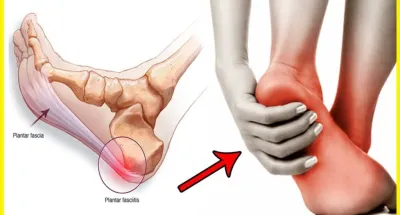 What Is Plantar Fasciitis?
Plantar fasciitis is inflammation of the thick band of tissue (also called a fascia) at the bottom of your foot that runs from your heel to your toes.
Doctors once thought bony growths called heel spurs brought on the pain. Now they believe that heel spurs are the result — not the cause — of plantar fasciitis.
Symptoms of Plantar Fasciitis
Plantar fasciitis causes pain in your heel. It’s usually worse when you take your first steps in the morning or after you’ve been sitting for a long time. It tends to feel better with activity but worsens again after you spend a long time on your feet.
Plantar Fasciitis Causes and Risk Factors
Your fascia supports the muscles and arch of your foot. When it’s overly stretched, you can get tiny tears in its surface. This can bring on pain and inflammation.
You’re at greater risk of plantar fasciitis if you:
- Are female
- Are 40 to 60 years old
- Are obese
- Have flat feet or high arches
- Have tight Achilles tendons, or “heel cords”
- Have an unusual walk or foot position
- Often wear high-heeled shoes
- Spend many hours standing each day
- Wear worn-out shoes with thin soles
Diagnosing Plantar Fasciitis
Your doctor will ask about your symptoms and check your feet to see where you’re having pain. They sometimes want you to have imaging tests to make sure something else isn’t causing your problem. These tests include:
Plantar Fasciitis Treatment
Your treatments may include:
- Icing the area.
- Night splints. You wear these to stretch your calf and foot while you sleep.
- Physical therapy. Certain exercises can stretch your fascia and Achilles tendon and strengthen your leg muscles, which will make your ankle and heel more stable.
- Rest. Stop doing things that make the pain worse. This might include some types of exercise, like running or jumping.
- Supportive shoes or inserts. Shoes with thick soles and extra cushioning will make it less painful for you to stand or walk. Arch supports can distribute pressure more evenly across your feet.
- Taking pain-relieving non-steroidal anti-inflammatories (NSAIDs) like ibuprofen or naproxen sodium. You shouldn’t take these for more than a month, so talk with your doctor.
Once you begin treatment, you’ll usually see improvement within 10 months. If you aren’t better then, your doctor might try treatments like shots of cortisone, a type of steroid, to ease inflammation. In rare cases, you might need surgery.
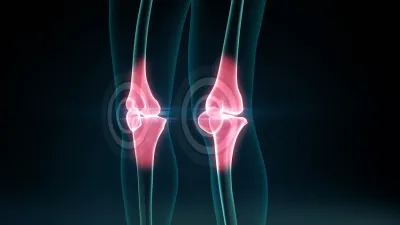 ARTHRITIS SYMPTOMS | HOW TO TELL IF YOU HAVE ARTHRITIS
Arthritis symptoms can easily affect a person’s daily living. Early diagnosis will help keep these symptoms from worsening. To help you out, we’ve listed the most common signs and symptoms of arthritis.
7 MOST COMMON ARTHRITIS SYMPTOMS
JOINT DISCOMFORT AND STIFFNESS
Tingling sensation and numbing feeling of the joints in the hands and feet are among the earliest signs of arthritis. They create short-term stiffness which goes away when the joint is moved. These symptoms occur most commonly in the mornings upon waking up. They often last for about 30 minutes.
Stiffness and joint discomfort respond to basic treatments such as slow leg movements and gentle massages. Engaging in gentle and manageable exercises regularly will also contribute to diminishing these symptoms.
REDNESS, SWELLING, AND TENDERNESS
Redness, swelling, and tenderness altogether characterize inflammation. When the joints are inflamed, they affect the surrounding connecting nerves and tissues. This causes the skin surface to turn red and tender. A change in diet and lifestyle will help alleviate these arthritis symptoms in feet and hands and prevent them from worsening.
RESTRICTED MOBILITY AND FUNCTION OF JOINTS
As arthritis develops, the swelling and stiffness of the joints start to affect mobility. Actions become more restricted, and the functions of the affected parts become more limited.
Arthritis symptoms in hands and fingers weaken the joints and prevent functioning at full capacity. For instance, gripping and holding things become harder to do.
LIMPING
The lower part of the body is one of the most common areas affected by arthritis and its symptoms. The hips, ankle, legs, and knees are the parts that usually suffer, restricting or preventing basic movements such as standing, walking, and running.
When movements and motion of the joints become restricted, other bodily functions such as coordination and balance become poor as well. Walking aids such as a walker and a walking stick may be needed. Massaging the affected areas gently and regularly may also help improve the condition.
FEVER
Arthritis with fever is, more often than not, an indication of active inflammation or infection. The immune system decreases in its ability to respond to bodily attacks, that is why a fever may occur. This is a normal response. However, it is still best to see a health professional to determine the underlying cause as the fever may also be related to other conditions or complications.
FATIGUE
People who experience arthritis symptoms and complications suffer from fatigue. This is due to the lack of sleep or insomnia, decreased energy level, and mood changes, all brought about by discomfort or pain. Rest and sleep are of utmost importance to recover from fatigue.
LOSS OF APPETITE AND WEIGHT LOSS
Some medications for arthritis cause loss of appetite which, in turn, results in weight loss. It can be addressed by a meal or diet plan which can be personalized for each person with the aid of a health professional.
Arthritis is the condition that can easily be monitored and managed when it is diagnosed early. It is important for the person experiencing the above-mentioned symptoms to immediately apply necessary treatment to prevent the condition from worsening. A healthy, disciplined, and active lifestyle will also decrease the chances of having rheumatic arthritis.
15 BEST ESSENTIAL OILS FOR ARTHRITIS
In this article:
- Basil
- Turmeric
- Ginger
- Evening Primrose
- Lavender
- Frankincense
- Eucalyptus
- Myrrh
- Orange
- Birch
- Lemongrass
- Cayenne
- Chamomile
- Marjoram
- Wintergreen
15 Essential Oils for Arthritis to Relieve Joint Pain
Pain Relief Oils for Arthritis
Arthritis affects millions of people every year, and the pain and discomfort associated with it impact everything from everyday activities to what types of tasks they can take on at work. Having every possible treatment available can help make it easier to cope with arthritis.
With that in mind, here’s a list of the best essential oils for arthritis to help get rid of that disturbing joint pain.
Basil
Basil provides a wide range of therapeutic compounds, such as 1.8-cineole and linalool, that have anti-inflammatory benefits.
One study showed that researchers administered 150-300-mg/kg of basil oil daily on rats with arthritis, and it helped reduce their joint inflammation. These experimental rats also showed reduced symptoms of edema, a condition that’s linked to swelling.
Turmeric
Turmeric is known for its many health benefits, including anti-inflammatory properties.
Clinical studies revealed that turmeric essential oil is effective in relieving symptoms of arthritis. It contains a strong compound called curcumin that blocks the molecule responsible for triggering inflammation.
Ginger
Ginger oil is considered one of the best oils for arthritis pain because it can effectively alleviate joint pain and inflammation. It has chemicals that transform into a group of anti-inflammatory agents to fight off symptoms of arthritis.
Research found that rats with joint inflammation reduced rates of swelling when administered this arthritis essential oil.
Evening Primrose
This essential oil for arthritis is packed with a type of omega-6 fatty acid called gamma-linolenic acid (GLA), an anti-inflammatory agent. GLA can aid in eliminating symptoms of arthritis, such as stiffness, tenderness, and joint pain.
The Arthritis Foundation even suggests that people with rheumatoid arthritis should take primrose oil between 540 mg and 2.8 g (in divided doses) daily for 6 months.
Lavender
Lavender oil can be applied topically, added to a warm bath, and inhaled (aromatherapy). On top of its benefits in reducing symptoms of depression, pain, and anxiety, the oil can also help alleviate pain from arthritis.
This essential oil for arthritis is packed with a type of omega-6 fatty acid called gamma-linolenic acid (GLA), an anti-inflammatory agent. GLA can aid in eliminating symptoms of arthritis, such as stiffness, tenderness, and joint pain.
The Arthritis Foundation even suggests that people with rheumatoid arthritis should take primrose oil between 540 mg and 2.8 g (in divided doses) daily for 6 months.
Lavender
Lavender oil can be applied topically, added to a warm bath, and inhaled (aromatherapy). On top of its benefits in reducing symptoms of depression, pain, and anxiety, the oil can also help alleviate pain from arthritis.
A study showed that a mixture of 5% lavender oil and some amount of almond oil aids in the participants’ pain relief caused by arthritis.
Frankincense
Frankincense oil is already popular in traditional medicine for relieving swelling and chronic pain. The plant’s extracts have acetyl-11-keto-beta-boswellic acid that provides anti-inflammatory effects.
Some researchers found that osteoarthritis patients reported improvements in physical functioning and reduction in pain when using frankincense essential oil.
Eucalyptus
Eucalyptus oil is rich in compounds with pain-relieving and anti-inflammatory effects. When topically applied on the skin, it alleviates muscle pain, swelling, and soreness.
A study revealed inhalation of the oil can have analgesic properties.
Myrrh
Myrrh oil has anti-rheumatic properties that are great for lessening symptoms of rheumatoid arthritis. It is often used with another essential oil, like frankincense, for best results.
One study found that individual results of myrrh and frankincense oils showed significant improvements in the symptoms of arthritis.
Orange
Orange oil also contains natural anti-inflammatory properties. According to research, orange oil is the most effective essential oil among those studied for reducing inflammation.
This essential oil is excellent when diluted with almond or avocado oil before applying to the affected area.
Birch
Birch essential oil can help in reducing joint and muscle pain, toothaches, and headaches. This oil also has natural antispasmodic properties helpful in relieving muscle spasms and cramps.
It can also stimulate and improve blood circulation, making it a great treatment for conditions associated with circulation problems like edema or swelling, arthritis, and rheumatism.
Lemongrass
Chronic inflammation contributes to joint pain. Citral, an anti-inflammatory compound, is the active ingredient of lemongrass essential oil.
In a 2014 animal study, oral lemongrass essential oil showed impressive anti-inflammatory effects on mice with paw edema. Topical application of the oil on mice with ear edema also showed anti-inflammatory benefits.
With its anti-inflammatory properties, it can also act as a pain reliever. In a 2017 study on rheumatoid arthritis patients, topical lemongrass oil reduced the subjects’ arthritic pain.
Cayenne
The capsaicin in cayenne pepper oil has potent pain-relieving effects when used as a skin cream. Capsaicin can decrease substance P levels, a natural neuropeptide that signals pain to the brain.
Capsaicin is widely available as a skin cream recommended for several conditions like:
- Joint pain
- Muscle pain
- Post-operation pain
- Painful nerve conditions like shingles
Note that this oil should not be applied to an open wound or skin irritation.
Additionally, it’s important to note that capsaicin cream should not be applied to an open wound or broken skin.
Chamomile
Chamomile essential oil is extracted by distilling chamomile herbs. Its active ingredients, the compounds sesquiterpenes and phellandrene have anti-inflammatory, antiseptic, and analgesic properties.
In a randomized trial on knee osteoarthritis patients, researchers found chamomile oil was an impressive joint-pain-relieving topical agent. Its phellandrene contents have analgesic properties inhibiting pain signals going to the brain.
Applying chamomile oil on painful joints can help improve mobility and overall quality of life in patients with arthritis inflammation.
Marjoram
Marjoram essential oil is collected by steam distillation of fresh and dried leaves of the knotted marjoram plant. Arthritis patients can benefit from its anti-inflammatory and analgesic properties, as well as its antioxidant effect, which can decrease oxidative stress.
In a study of 40 arthritis patients, researchers found using a blend of essential oils with marjoram oil decreased the subjects’ pain levels.
Wintergreen
Wintergreen essential oil is a minty, pale-yellow liquid extracted from wintergreen leaves via steam distillation. Methyl salicylate, its active ingredient, is a compound with analgesic benefits.
Methyl salicylate has a similar chemical make up to aspirin but is only used topically. It is widely used to manage acute and chronic aches and pains throughout the body.
In fact, a study on 208 adult joint pain patients showed that methyl salicylate can effectively reduce mild to moderate joint discomfort.
Using and Mixing Essential Oils
You can massage essential oils into the skin. You can also:
- Inhale the steam of hot water mixed with essential oil drops.
- Use a diffuser to dilute the oils and release a scented mist.
- Add a few drops to wound dressings.
- Add the oils to a warm bath or mix them with bath salts.
- Dilute the essential oils with carrier oils and massage the solution into painful joints.
Some of the most commonly used carrier oils are:
- fractionated coconut oil
- olive oil
- almond oil
- argan oil
- amla oil
- jojoba oil
- grape-seed oil
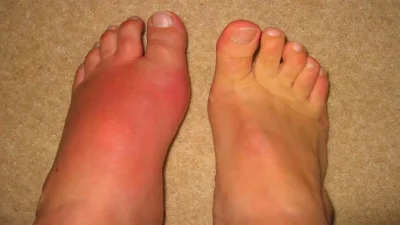 What Is Gout?
Gout is a type of inflammatory arthritis which develops as a result of high levels of uric acid.
Uric Acid Definition: a waste by-product in the body that tends to build up in the joint area if not disposed of properly through urine or excreta
Gout usually affects the joints of the feet, fingers, or wrists. It causes swelling, stiffness, and intense pain.
The population of people with gout in the US appears to be on the rise, affecting 8.3 million Americans, studies show.
- What Are the Common Symptoms of Gout? Joints that feel stiff or sore
- Sudden crushing pain in joints that often lasts for days
- Joint pain, which usually happens at night
- Joints that appear swollen and inflamed (feel warm and skin appears to be red or purple)
- Burning, itching, or tingling feeling in a joint an hour or two before the flare-up starts
What Causes Gout?
There are many triggering factors that contribute to gout attacks. Having a high level of uric acid is the main cause.
Here are the foods to avoid to lessen the rise of uric acid levels in the body:
- Organ meats such as liver, kidneys, sweetbreads
- Alcoholic beverages
- Game meat or wild animals like venison and veal
- Fish like herring, trout, mackerel, tuna, sardines, anchovies
- Scallops, crab, shrimp, mussels
- Sugary beverages
- Yeast
Although diet has a lot to do with what causes gout, there are still other causes or triggering factors:
- Joint injury
- Surgery
- Bacteria
- Diuretic medications for high blood pressure or heart failure
- The drug cyclosporine
- Starting a uric acid-lowering treatment
- Chemotherapy
Who Is at Risk for Gout?
There are specific factors that put people at risk of developing gout:
- Age. It is more likely to begin around the age of 45.
- Gender. Gout is more common in men. With women, it often occurs around age 60 or after menopause.
- Diabetes and kidney problems.Metabolism and excretion area are affected when a person develops these conditions.
- Heredity. Though gout is not hereditary, susceptibility to it (illnesses like high blood pressure and obesity) can often be inherited.
Where in the Body Does Gout Usually Occur?
It’s always better to know the early signs of gout because the attacks often worsen over time if left ignored and untreated. Here are common gout symptoms to watch out for:
Gout typically affects the big toes – the large joints in particular. It also affects the joints of the elbows, knees, ankles, and wrists.
Why Does Gout Pain Attack at Night?
Compared to daytime, gout pains are twice as likely to occur during the night. This is attributed to the drop in body temperature, dipping of cortisol levels, and night-time dehydration during sleep. When Should You See a Doctor?
There are other types of joint and inflammatory conditions that may have the same symptoms as gout, and the painful attack usually goes away in about 5 to 10 days. However, that is not always the case.
It’s always best to seek medical help as early as the symptoms develop.
How Is Gout Diagnosed?
Gout might be a little difficult to diagnose. When its symptoms appear, they are often similar to those of other conditions. While hyperuricemia (excess in uric acid) occurs in most people that develop gout, it may not be present during the attack.
That’s why there are tests done in order to diagnose gout:
- Joint Fluid Tests.The fluid is extracted from the affected joint with a needle and is examined to see if any urate crystals are present. As joint infections can also cause similar symptoms, tests to check the presence of bacteria may also be done (to rule out a bacterial cause).
- Blood Tests.Blood is extracted to measure the levels of uric acid present. But as mentioned, high uric acid levels don’t automatically determine gout.
- Ultrasound and/or CT scans.Imaging tests are done to check for urate crystals.
What Are the Treatment Options for Gout?
The pain when having a gout attack can be severe, but there are several treatment options to decrease the swelling. Over-the-counter gout remedies, like anti-inflammatory analgesics (e.g. ibuprofen), can be taken to help ease pain and swelling.
Drugs that lower uric acid, like Allopurinol and Lesinurad, may also be taken as prescribed.
Gout treatments at home may also work:
- Cold or ice pack. Massage the cold compress on the affected joint to help lower inflammation and soothe the pain. Apply for 20 to 30 minutes as needed; make sure to have rest periods.
- Do not force excessive or extreme movements on the affected part.
- Uric acid levels rise with dehydration. Stay hydrated.
- Elevation of the affected foot.Raise the affected foot or leg higher than the chest using a stack of pillows or a rolled towel.
- Healthy diet.Say no to food with high-purine and uric acid.
How Is Gout Prevented?
Preventive measures for gout are focused on diet and lifestyle.
- Limit alcohol intake.
- Maintain a healthy weight.
- Stay properly hydrated.
A study involving 724 gout patients reported that gout flares were most common between 12 midnight and 7:59 in the morning.
Gout is a type of arthritis that, when left untreated, can lead to serious complications and limit mobility. Early diagnosis plays an important role in the ease of management of this condition.
Each person has a different medical background, so it is always best to seek professional medical care for more thorough tests. A better understanding of one’s condition paves the way to a more comprehensive treatment plan.
Discuss with your doctor the changes you can make in your lifestyle and diet to support the medications and therapies you take. Supplements may also be added to your daily health regimen. We recommend this Vitamin D3 supplement.
Real Time Pain Relief-Foot Cream and Lotions
 Bursitis is a painful condition that affects the small, fluid-filled sacs — called bursae (bur-SEE) — that cushion the bones, tendons and muscles near your joints. Bursitis occurs when bursae become inflamed. The most common locations for bursitis are in the shoulder, elbow and hip.
Inflammation of the fluid-filled pads (bursae) that act as cushions at the joints.
Bursitis occurs most often at joints that perform frequent repetitive motion.
Symptoms include pain, swelling and stiffness. Common areas include the knees, shoulders, elbows and hips.Treatment includes rest, ice and pain relievers. Surgery is rarely
Overview
Bursae are fluid-filled sacs found about your joints. They surround the areas where tendons, skin, and muscle tissues meet bones. The lubrication they add helps reduce friction during movement of the joint.
Bursitis is an inflammation of your bursae. Inflamed bursae cause pain and discomfort in the affected location. They also limit the ways you can move your joints.
Symptoms of bursitis
General symptoms of bursitis include:
Different types of bursitis also have their own specific symptoms:
- With prepatellar and olecranon bursitis, it can be hard to bend your leg or arm, respectively.
- Trochanteric and retrocalcaneal bursitis can cause difficulty walking.
- Trochanteric bursitis can also make it painful to lie on your hip
Types of bursitis
There are several types of bursitis. These conditions may be chronic, meaning they occur on a regular basis. Alternately, they may be acute, meaning they appear suddenly.
Prepatellar bursitis is inflammation around your kneecap, also known as the patella. It can be acute or chronic.
Olecranon bursitis is inflammation around your elbow. The affected bursae are located at the tip of your elbow (olecranon). In some cases, small nodules can be felt within the bursa. It’s usually chronic.
Trochanteric bursitis occurs in the bursae of your hips. It can develop slowly. It may appear alongside other medical conditions, such as arthritis.
Retrocalcaneal bursitis may cause pain and swelling in your heel. It can be acute or chronic.
Infectious, or septic, bursitis causes the bursa to become red, hot, or swollen. It also results in chills, fever, and other symptoms of infection.
Causes of bursitis
The most common causes of bursitis are injuries or damage to your bursae. Damage may trigger pain, swelling, and redness in the affected area.
However, causes tend to be different for each type of bursitis.
Prepatellar bursitis
Tears or damage to your kneecaps or knee bursae may cause swelling. Other causes are:
- sports-related activities
- bending your knees repeatedly
- staying on your knees for long periods of time
- infection
- bleeding in your bursae
Olecranon bursitis
Repeatedly resting your elbows on hard surfaces or a hard blow to the back of the elbow can cause this type of bursitis. It can also be caused by infection or gout.
Gout occurs when uric acid crystals build up in the body. Gout can result in tophi, or small nodules, that can be felt within the bursa.
Trochanteric bursitis
Many things can trigger bouts of inflammation and pain in your hips. These include:
- lying on your hips for long periods of time
- injury
- improper posture while sitting or standing
- any disease that affects your bones, such as arthritis
Retrocalcaneal bursitis
Running, jumping, or other repetitive activities can inflame the bursae in your heels. Beginning a strenuous exercise without properly warming up may also be a cause. Shoes that are too tight at the back of the heel can make it worse as it rubs against the bursa.
Infectious (septic) bursitis
Infectious, or septic, bursitis occurs when the bursa becomes inflamed due to an infection from bacteria. This usually happens when bacteria are directly introduced into the bursa through a wound in surrounding skin.
Skin infections, such as cellulitis, may lead to infectious bursitis. Blood or joint infections can also spread to the bursa and cause infectious bursitis.
Symptoms of infectious bursitis are similar to those of non-infectious bursitis. Your healthcare provider may draw a sample of bursal fluid and use a bursal fluid analysis to test for infectious bursitis.
Risk factors for bursitis
Risk factors for bursitis include:
- aging
- having a chronic medical problem
- participating in repetitive sports or activities
- repetitive use of a given joint
- improper posture
- getting an infection that can spread to your bursae, bones, and joints
- injuries to the bursae
Diagnosing bursitis
- Bursitis can often be diagnosed by physical exam. However, tests can also be used to diagnose this condition.
- Your healthcare provider can use an X-rayor ultrasound to take images of the affected area. Blood tests and samples from the affected bursae can also be used for diagnosis.
- Needle aspiration is always recommended in cases where infectious bursitis appears to be limited to the joint.
- In some cases, such as when a person has olecranon bursitis, performing a needle aspiration will increase the risk of a secondary infection moving from the skin into the bursa.
- Needle aspiration may not be performed then. Instead, the person with bursitis may be given antibiotics before being observed clinically. This is known as empiric therapy.
Treating bursitis
Rest, pain medication, and icing your joint may relieve your bursitis. However, other treatments may be necessary:
- Antibiotics are necessary in cases in which the bursa is infected.
- Corticosteroids can be used to relieve pain, inflammation, and swelling as long as there’s no evidence of any infection in or around the bursa.
- At-home exercises may help relieve pain and other symptoms. In rare cases, physical therapy is needed.
Preventing bursitis
Bursitis isn’t always preventable. However, making some basic lifestyle changes can reduce your risk of developing bursitis and prevent severe flare-ups:
- Maintain a healthy weight to avoid putting extra stress on your joints.
- Exercise to strengthen the muscles supporting your joints.
- Take frequent breaks when performing repetitive tasks.
- Warm up before starting strenuous activities.
- Practice good posture when sitting and standing.
- Stop an activity if you experience pain.
Long-term outlook for bursitis
Your condition will likely improve with treatment. However, bursitis can become chronic. This may be more likely if your bursitis is:
- not diagnosed and treated appropriately
- caused by an underlying health problem that can’t be cured
Talk to your healthcare provider if your pain or other symptoms don’t improve with treatment.
5 COVID-19 Tips for Arthritis Patients:
- Follow public health guidance, like social distancing
- Remain on current medications if healthy
- Never stop or change medications without talking to your doctor
- Stay in touch with your doctor
- Manage stress, eat healthy, and exercise
 What Is Back Pain?
Who experiences back pain?
Lower back pain, also called lumbago, is not a disorder. It’s a symptom of several different types of medical problems.
It usually results from a problem with one or more parts of the lower back, such as:
- ligaments
- muscles
- nerves
- the bony structures that make up the spine, called vertebral bodies or vertebrae
It can also be due to a problem with nearby organs, such as the kidneys.
According to the American Association of Neurological Surgeons, 75 to 85 percent of Americans will experience back pain in their lifetime. Of those, 50 percent will have more than one episode within a year.
In 90 percent of all cases, the pain gets better without surgery. Talk to your doctor if you’re experiencing back pain.
Back pain treatment
Many individuals will not need extensive treatment for back pain. Over-the-counter pain medications are often sufficient.In more severe cases, stronger treatments may be necessary, but they’re typically provided under close supervision from your doctor.
Medication
The majority of back pain episodes are relieved by treatment with nonsteroidal anti-inflammatory medications (NSAIDs), such as:
Pain relievers, or analgesics, such as acetaminophen (Tylenol), are also an option, though they don’t have the anti-inflammatory properties.
Be careful with medications like ibuprofen if you have kidney problems or stomach ulcers.
Never take more than the recommended dose of over-the-counter medications without talking to a doctor, as even these medications may have severe side effects if taken incorrectly.
Other medication options include:
Topical rubs and ointments
Topical products may be highly effective at reducing back pain. Many of these contain ingredients like ibuprofen and lidocaine, which have been found to work better than a placebo when it comes to pain relief.
Opioids
Opioids are stronger pain medications that can be prescribed for more severe pain. These medications, such as oxycodone (OxyContin) and a combination of acetaminophen and hydrocodone (Vicodin), act on the brain cells and body to reduce pain.
Opioids should be used with caution, however, due to a risk of addiction.
Muscle relaxants
Muscle relaxants can also be used for low back pain, especially is muscle spasms are occurring alongside pain. These medicines act on the central nervous system to reduce pain.
Antidepressants
Antidepressants and other medications can sometimes be used off-label for the treatment of back pain.
If your back pain is severe, your doctor may prescribe amitriptyline, a tricyclic antidepressant, because it focuses on different parts of the pain response. This antidepressant may also work better for nerve-related pain.
Steroid injections
Your doctor might also recommend cortisone steroid injections for severe back pain. However, pain relief from steroid injections usually wears off by around three months.
Surgery
Surgery is a last resort treatment and is rarely needed for back pain. It’s usually reserved for structural abnormalities that haven’t responded to conservative treatment with medicines and therapy.
This includes:
- severe, unremitting pain
- nerve compression that causes muscles to become weak
Spinal fusion is a surgery in which painful vertebrae are fused into a single, more solid bone. It helps eliminate painful motion of the spine.
Surgery to partially remove and replace disks and vertebrae may be done to relieve pain caused by degenerative bone diseases.
Alternative medicine
Alternative therapies that may help relieve back pain include:
- acupuncture
- massage
- chiropractic adjustments
- cognitive behavioral therapy
- relaxation techniques
Be sure to talk to your doctor before undergoing any alternative or complementary treatment. If you’re experiencing back pain, these lower back pain treatment options might be helpful.
Back pain home remedies
Many home remedies can be used with traditional back pain treatments. If you have questions about these, talk with your doctor.
Heat/ice therapy
Ice packs may relieve discomfort and help lessen inflammation in acute phases of back pain. Note: Don’t apply the ice directly to your skin. Wrap it in a thin towel or gauze to prevent damage to your skin.
Warm compresses may also relieve pain when inflammation has subsided. Consider alternating between heat and cold.
Exercises
Exercises to improve posture and strengthen the muscles of the back and abdominal muscles — called the core muscles — are a treatment option that should be strongly considered.
This treatment often involves:
- improving posture
- using proper lifting techniques
- strengthening core muscles
- stretching muscles to improve flexibility
A physical therapist can teach you how to perform these types of exercises at home.
Essential oils
Research suggests lavender essential oil or ointments made with capsaicin may help decrease pain.
Capsaicin is the ingredient in peppers that make them hot. These ingredients may desensitize the nerves in the impacted area and decrease the pain you feel.
Salt baths
A hot bath can do wonders for aching muscles, but while you’re soaking, give the water an added boost for your back with Epsom salt. Your body can absorb the minerals from the salt bath, and they can help ease aching muscles.
Home remedies may be highly effective at reducing back pain. Learn more about how to use them and how they work.
Back pain causes
The most common causes of lower back pain are strain and problems with back structures.
Strain
Strained muscles often cause back pain. Strain commonly occurs with incorrect lifting of heavy objects and sudden awkward movements.
Strain can also result from over-activity. An example is the sore feeling and stiffness that occurs after a few hours of yard work or playing a sport.
Structural problems
Vertebrae are the interlocking bones stacked on top of one another that make up the spine. Disks are areas of tissue that cushion the space between each vertebra. Disk injuries are a fairly common cause of back pain.
Sometimes these disks can bulge, herniate, or rupture. Nerves can get compressed when this happens.
Herniated disks can be very painful. A bulging disk pressing on the nerve that travels from your back down your leg can cause sciatica or irritation of the sciatic nerve. Sciatica can be experienced in your leg as:
- pain
- tingling
- numbness
Arthritis
Spinal osteoarthritis is also a potential cause for back pain. It’s caused by damage and deterioration in the cartilage of joints in your lower back.
Over time, this condition can lead to narrowing of the spinal column, or spinal stenosis.
Osteoporosis
Loss of bone density and thinning of the bone, called osteoporosis, can lead to small fractures in your vertebrae. These fractures can cause serious pain and are referred to as compression fractures.
Other causes of back pain
There are many other potential causes of back pain, but most of these are rare. Be sure to see your doctor if you experience regular back pain that does not go away.
After ruling out the more common causes of back pain, your doctor will perform tests to determine if you have a rarer cause. These can include:
- displacement of one vertebral body onto another, called degenerative spondylolisthesis
- loss of nerve function at the lower spinal cord, called cauda equina syndrome (a medical emergency)
- fungal or bacterial infection of the spine, such as Staphylococcus, E. coli, or tuberculosis
- cancer or nonmalignant tumor in the spine
- kidney infection or kidney stones
Back pain symptoms
Back pain can have many symptoms, including:
- a dull aching sensation in the lower back
- a stabbing or shooting pain that can radiate down the leg to the foot
- an inability to stand up straight without pain
- a decreased range of motion and diminished ability to flex the back
The symptoms of back pain, if due to strain or misuse, are usually short-lived but can last for days or weeks.
Back pain is chronic when symptoms have been present for longer than three months.
Back pain symptoms that may indicate a serious problem
See your doctor if back pain doesn’t improve within two weeks of developing. There are times when back pain can be a symptom of a serious medical problem.
Symptoms that can indicate a more serious medical problem are:
- loss of bowel or bladder control
- numbness, tingling, or weakness in one or both legs
- onset following trauma, such as a fall or a blow to the back
- intense, constant pain that gets worse at night
- presence of unexplained weight loss
- pain associated with a throbbing sensation in the abdomen
- presence of fever
Muscle Strain
A muscle strain, or pulled muscle, occurs when your muscle is overstretched or torn. This usually occurs as a result of fatigue, overuse, or improper use of a muscle. Strains can happen in any muscle, but they’re most common in your lower back, neck, shoulder, and hamstring, which is the muscle behind your thigh.
Symptoms: Pain
Muscle Strain Overview
Muscle strain, muscle pull, or even a muscle tear refers to damage to a muscle or its attaching tendons. You can put undue pressure on muscles during the course of normal daily activities, with sudden heavy lifting, during sports, or while performing work tasks.
Muscle damage can be in the form of tearing (part or all) of the muscle fibers and the tendons attached to the muscle. The tearing of the muscle can also damage small blood vessels, causing local bleeding, or bruising, and pain caused by irritation of the nerve endings in the area.
Muscle Strain Symptoms
Symptoms of muscle strain include:
- Swelling, bruising, or redness due to the injury
- Pain at rest
- Pain when the specific muscle or the joint in relation to that muscle is used
- Weakness of the muscle or tendons
- Inability to use the muscle at all
When to Seek Medical Care
If you have a significant muscle injury (or if home remedies bring no relief in 24 hours), call your doctor.
If you hear a “popping” sound with the injury, cannot walk, or there is significant swelling, pain, fever, or open cuts, you should be examined in a hospital’s emergency department.
Exams and Tests
The doctor will take a medical history and perform a physical exam. During the exam, it’s important to establish whether the muscle is partially or completely torn, which can involve a much longer healing process, possible surgery, and a more complicated recovery.
X-rays or lab tests are often not necessary, unless there was a history of trauma or evidence of infection.
Muscle Strain Treatment Self-Care at Home
The amount of swelling or local bleeding into the muscle (from torn blood vessels) can best be managed early by applying ice packs and maintaining the strained muscle in a stretched position. Heat can be applied when the swelling has lessened. However, the early application of heat can increase swelling and pain.
Note: Ice or heat should not be applied to bare skin. Always use a protective covering such as a towel between the ice or heat and the skin.
- Take nonsteroidal anti-inflammatory drugs (NSAIDS) such as naproxen or ibuprofen to reduce pain and improve your ability to move around. Do not take NSAIDS if you have kidney disease or a history of gastrointestinal bleeding or if you are also taking a blood thinner — such as Coumadin — without first talking with your doctor. In that case, it is safer to take acetaminophen, which helps lessen pain but does not reduce inflammation.
- Protection, rest, ice, compression, and elevation (known as the PRICE formula) can help the affected muscle. Here’s how: First, remove all constrictive clothing, including jewellery, in the area of muscle strain. Then:
- Protect the strained muscle from further injury.
- Rest the strained muscle. Avoid the activities that caused the strain and other activities that are painful.
- Ice the muscle area (20 minutes every hour while awake). Ice is a very effective anti-inflammatory and pain-reliever. Small ice packs, such as packages of frozen vegetables or water frozen in foam coffee cups, applied to the area may help decrease inflammation.
- Compression can be gently applied with an Ace or other elastic bandage, which can both provide support and decrease swelling. Do not wrap tightly.
- Elevate the injured area to decrease swelling. Prop up a strained leg muscle while sitting, for example.
- Activities that increase muscle pain or work the affected body part are not recommended until the pain has significantly improved.